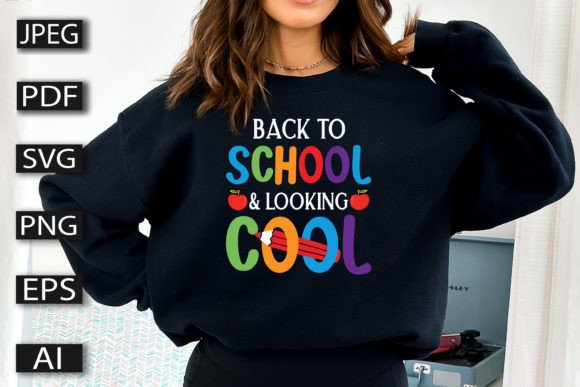
Creative Back to School Design: Essential Visual Assets
As summer fades, the creative energy of a new academic year begins to bubble, presenting a prime opportunity for designers to craft compelling visual narratives. A thoughtfully executed Back to School Design project is more than just a seasonal trend; it's a powerful tool for communication, setting the tone for educational brands, classroom environments, and marketing campaigns that resonate with students, parents, and educators alike.
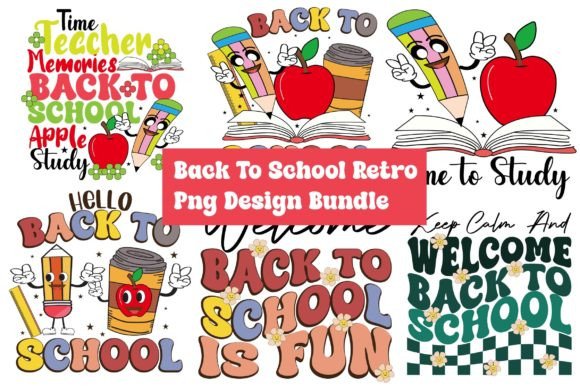
At its core, this design niche revolves around themes of children, education, and fresh beginnings. It leverages familiar icons—the little bag, the pencil, the apple—paired with vibrant color palettes and playful yet legible typography. The goal is to evoke feelings of excitement, curiosity, and preparedness. Effective visual design in this space balances whimsy with clarity, ensuring that a teacher's classroom poster or a school's promotional flyer is both engaging and easy to understand. This requires a keen eye for visual hierarchy, where key information like event dates or supply lists stands out immediately.
Practical Applications for Modern Creators
The versatility of back-to-school assets makes them invaluable across numerous creative projects. For branding, these elements help schools and educational startups build a relatable brand identity that connects with a young audience. Think custom logo design incorporating a stylized book or graduation cap, or a consistent color palette of cheerful blues, greens, and yellows that runs through all materials.
Beyond identity, these designs fuel entire marketing ecosystems:
- Marketing Materials & Advertising: Create eye-catching flyers, posters, and digital ads for back-to-school sales, open houses, or enrollment drives.
- Social Media Graphics: Design shareable Instagram stories, Facebook posts, and Pinterest pins that celebrate the first day or offer study tips.
- Website and UI Design: Develop user-friendly interfaces for school portals or educational apps using thematic icons and illustrations that enhance the user experience.
- Editorial & Packaging Design: Style educational magazines, yearbooks, or even packaging for school supplies with cohesive, thematic layouts.
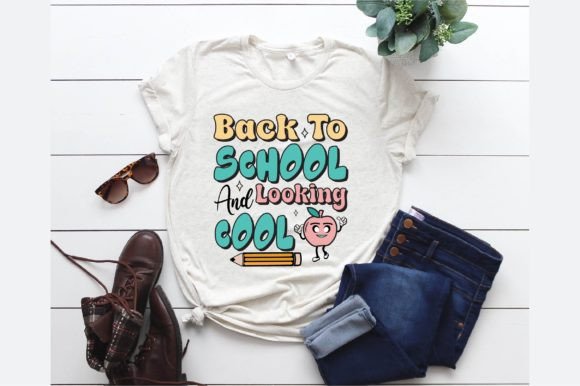
- Merchandise & Presentations: Apply designs to t-shirts, notebooks, and slideshows to foster community spirit and professional student presentations.
Selecting and Implementing Design Elements
When choosing or creating these assets, prioritize usability and scalability. A professional design bundle should come in versatile formats—like SVG for crisp scaling, PNG with transparency for layering, and editable AI or EPS files for full customization. This ensures your visual design remains sharp whether it's printed on a large banner or displayed on a mobile screen.
Evaluate each element for its contribution to the overall visual hierarchy. Does the calligraphy style complement or compete with the main message? Is the imagery inclusive and representative of a diverse classroom? Consider how the typography pairs with your existing brand fonts to maintain consistency. A well-chosen set of assets streamlines your design workflow, allowing you to focus on strategy rather than starting from scratch.
Ultimately, investing in high-quality, thematically appropriate creative assets elevates your project from ordinary to outstanding. It demonstrates an understanding of your audience's world and communicates professionalism and care. In the realm of education, where first impressions and clear communication are paramount, thoughtful graphic design is not just an aesthetic choice—it's a fundamental component of effective engagement and lasting impact.